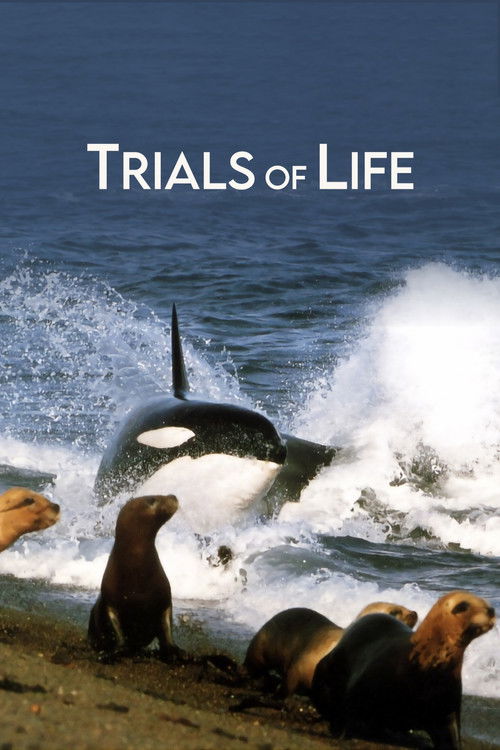
Trials of Life
★ 8.3•1990•1 Seasons•ANIME
DocumentaryFamily
Each of the twelve 50-minute episodes features a different aspect of the journey through life, from birth to adulthood and continuation of the species through reproduction.
Advertisement
Top Cast
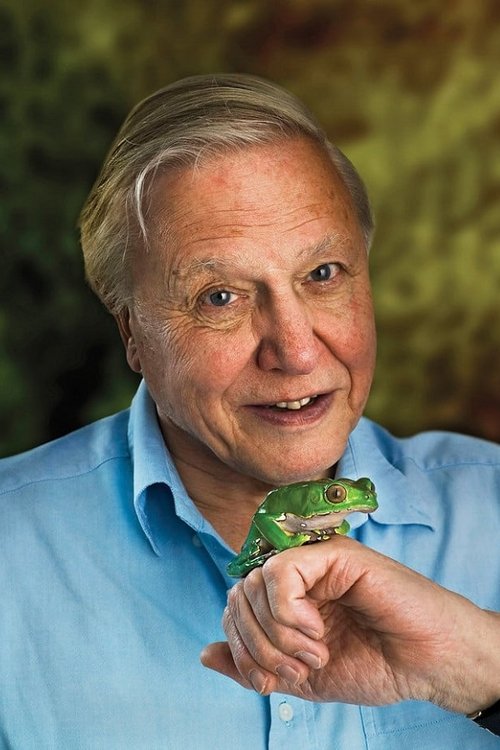
David Attenborough
Self - Narrator (voice)
Episodes

1. Arriving
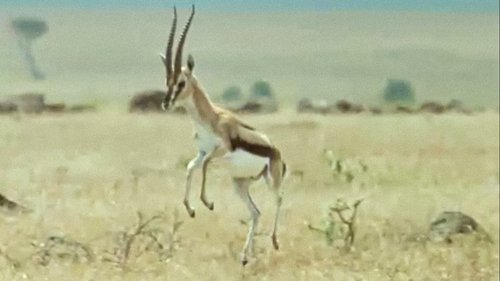
50mThe first episode examines the various methods by which creatures come into the world. Attenborough’s opening statement alludes to the annual spawning of the Christmas Island red crab, of which there are estimated to be some 120 million. The exercise is all the more hazardous since the species is a land crab, and the eggs have to be deposited in the sea - where the most ancient animals on the planet still live and breed. One of the most prolific aquatic egg producers is the giant clam, but some land animals also lay vast quantities, and the mantis is one example. In the Western United States, Attenborough observes a wasp that digs a burrow, conceals it, and stocks it with fresh caterpillars for her emerging young. The grubs of another start life inside caterpillars, and eat the unsuspecting hosts. The problems of larger animals are illustrated by snow geese in the Arctic, which have to defend their eggs from arctic foxes. The process of embryonic growth inside the egg, from laying to hatching, is shown in detail. The malleefowl warms its eggs with rotting leaves, and Attenborough demonstrates the care with which it regulates them by adding sand to its mound - to have it kicked back in his face. The sea louse is a crustacean that commits suicide: its grubs consume so much of the mother’s energies that she dies after birth. Mammals shown giving birth to fully formed young include wildebeest, antelope, sea lions and chinchillas.
Aired: 10/4/1990Recommended Anime




Advertisement





Similar Anime






Advertisement






Advertisement
Reviews (0)
Advertisement