NodWatch

A personal movie and TV streaming app built for educational purposes. Powered by TMDB API.

Privacy PolicyTerms of ServiceCookie PolicyReport Issue

© 2026 NodWatch. All rights reserved.

Wild New World
Wild New World

Wild New World

★ 7.0•2002•1 Seasons•ANIME
Documentary

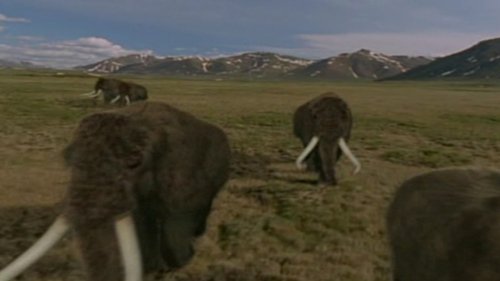
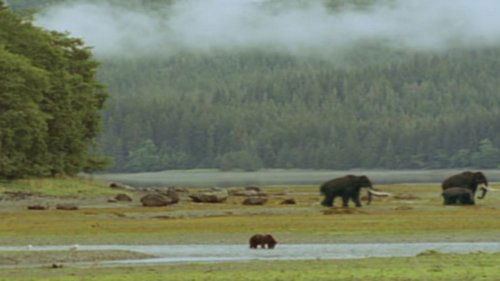
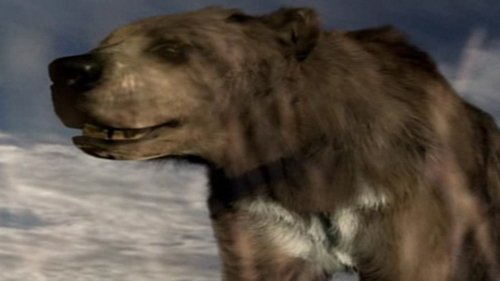
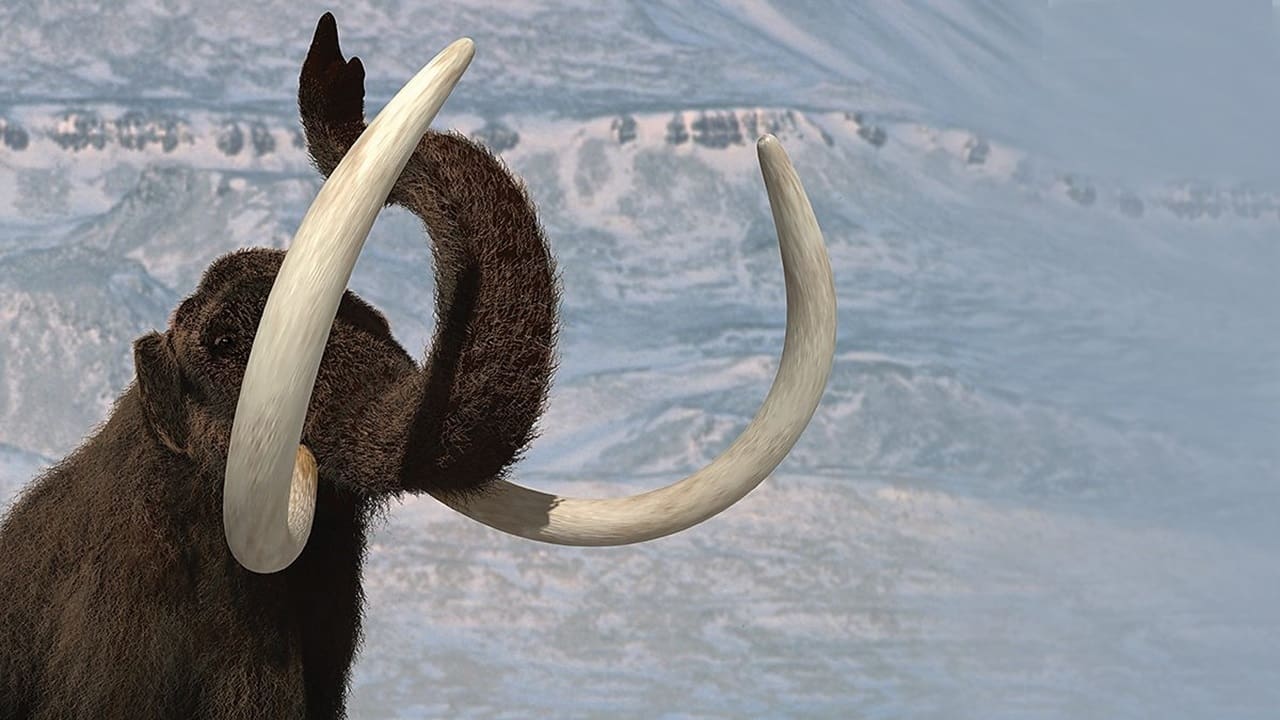
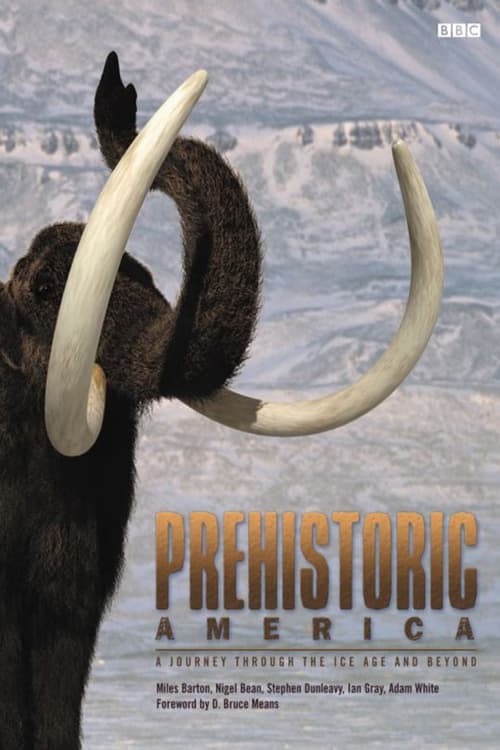
Journey through the long-vanished corners of prehistoric North America, beginning when man first entered the vast, unspoiled continent some 14,000 years ago, in this appealing BBC documentary. Witness ancient beasts, mammoths, mastodons, giant bears, and sabre-toothed cats, and see the legacies each has passed to their modern successors. Computer animation and digital effects bring to life mammoths, saber-toothed cats, giant ground sloths, short-faced bears, glyptodonts, and a plethora of smaller animals in a lush Ice Age mosaic. Discoveries from sites across America are the basis for the reconstructions. The BBC team behind "Blue Planet" and "Walking with Dinosaurs" now takes you back to an 'early America' beyond imagination. Travel back 14,000 years as humans were first entering the continent, sharing it with ancient beasts.

Advertisement

Top Cast

Jack Fortune

Jack Fortune

Narrator

Episodes

Land Of The Mammoth

1. Land Of The Mammoth

49m

Preserved in the frozen soil of Alaska are clues to an unknown land, where muskoxen and wild horses roarmed alongside woolly mammoths. Enormous American lions harried the families of mammoths, formidable in the defence of their young. The lion were more successful at hunting at bison in the snow but they were no match for the giant short-faced bear.

Aired: 10/3/2002
Canyonlands

2. Canyonlands

49m

Recommended Anime

Walking with Beasts
★ 7.72001

Walking with Beasts

Prehistoric Planet
★ 8.32022

Prehistoric Planet

Animal
★ 8.02021

Animal

Natural World
★ 7.41983

Natural World

The Story of Film: An Odyssey
★ 7.72011

The Story of Film: An Odyssey

Life on Our Planet
★ 8.02023

Life on Our Planet

Walking with Dinosaurs
★ 8.21999

Walking with Dinosaurs

Welcome to Earth
★ 7.62021

Welcome to Earth

Kong: King of the Apes
★ 6.82016

Kong: King of the Apes

Planet Earth
★ 8.62006

Planet Earth

Earth at Night in Colour
★ 8.12020

Earth at Night in Colour

Advertisement
Frozen Planet II
★ 8.42022

Frozen Planet II

How Do They Do It?
★ 7.62006

How Do They Do It?

Planet Earth III
★ 8.52023

Planet Earth III

Dynasties
★ 8.32018

Dynasties

Sea Monsters
★ 7.72003

Sea Monsters

Into the Unknown: Making Frozen II
★ 6.92020

Into the Unknown: Making Frozen II

The Life of Mammals
★ 8.32002

The Life of Mammals

Our Planet
★ 8.52019

Our Planet

Similar Anime

Walking with Beasts
★ 7.72001

Walking with Beasts

Eons
★ NR2017

Eons

Monsters We Met
★ 6.42003

Monsters We Met

Jurassic Fight Club
★ 7.02008

Jurassic Fight Club

Walking with Cavemen
★ 8.32003

Walking with Cavemen

★ 8.02001

Extinct

Sea Monsters
★ 7.72003

Sea Monsters

Prehistoric Park
★ 7.62006

Prehistoric Park

Super Sentai Zyuranger
★ 8.11992

Super Sentai Zyuranger

★ NR2001

Tony Robinson's Fact Or Fiction

Sitting Bull
★ 6.72025

Sitting Bull

Advertisement
Gil Family
★ 6.02022

Gil Family

Eternal Egypt
★ NR2020

Eternal Egypt

The Family Court Murders
★ NR2022

The Family Court Murders

Lost LA
★ NR2016

Lost LA

예썰의 전당
★ NR2022

예썰의 전당

NOVA: The Planets
★ NR2019

NOVA: The Planets

Dear Mama
★ 8.62023

Dear Mama

★ 7.02017

Aufgeklärt! - Spektakuläre Kriminalfälle

Great Australian Walks With Julia Zemiro
★ NR2023

Great Australian Walks With Julia Zemiro

Advertisement

Reviews (0)

Advertisement
The first people to experience the splendours of the Grand Canyon would have seen a much greener, richer land. Today it is cougar country but then bizarre ground sloths sheltered in the caves and browsed in the canyons alongside Columbian mammoths. Camels were on the menu for both the first people and the impressive sabre-tooth cat (Smilodon).

Aired: 10/10/2002
Ice Age Oasis

3. Ice Age Oasis

49m

America's Deep South is today a haven for the manatees, alligators and waterbirds which abound in its clear, turquoise springs. But when the Ice Age gripped much of the continent, the south was a warm paradise for the earliest human hunters as well as warmth loving wildlife. Tapirs and capybaras grazed in the swamps, dwarfed by the giant ground sloths which towered above them. Sabre-tooth cats came to face to face with skunks and jaguars stalked armoured glyptodonts.

Aired: 10/17/2002
Edge Of The Ice

4. Edge Of The Ice

49m

The vast seas of grass on the Great Plains are home to bison, coyotes and prairie dogs today. But previously the area was an American Serengeti, populated by Columbian mammoths (the largest of all mammoths). Here cheetah hunted pronghorn antelope and lions stalked horses and bison. But the most impressive of all the carnivores was the giant short-faced bear.

Aired: 10/24/2002
American Serengeti

5. American Serengeti

49m

The final episode shows how the megafauna become extinct, and about how modern animals living on the continent have adapted to the increasing human population and development in North America. The meeting between human and megafauna in North America was a deadly one - most of the large land animals, including all the mammoths and mastodons, horses, camels, giant ground sloths, short-faced bear, and all the big cats (except the cougar) disappeared and the landscape changed dramatically. But some animals learned to flourish in human's environment. Today chimney swifts roost in the towering smokestacks of Portland, kit foxes den in Los Angeles suburbs, moose trample the gardens of Anchorage and red tailed hawks nest in Manhattan.

Aired: 10/31/2002
Mammoths To Manhattan

6. Mammoths To Manhattan

49m

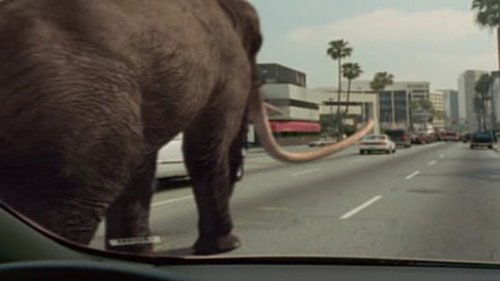
Mammoths to Manhattan travels through time, from the end of the Ice Age to the present day, to see how North America's ildlife has adapted to living alongside people. Back then, it was a land dominated by giant beasts, today it is a land of towering skyscrapers. The episode starts with the extinction of its biggest mammals, some two thirds of which disappeared soon after the first people arrived.

Aired: 11/7/2002