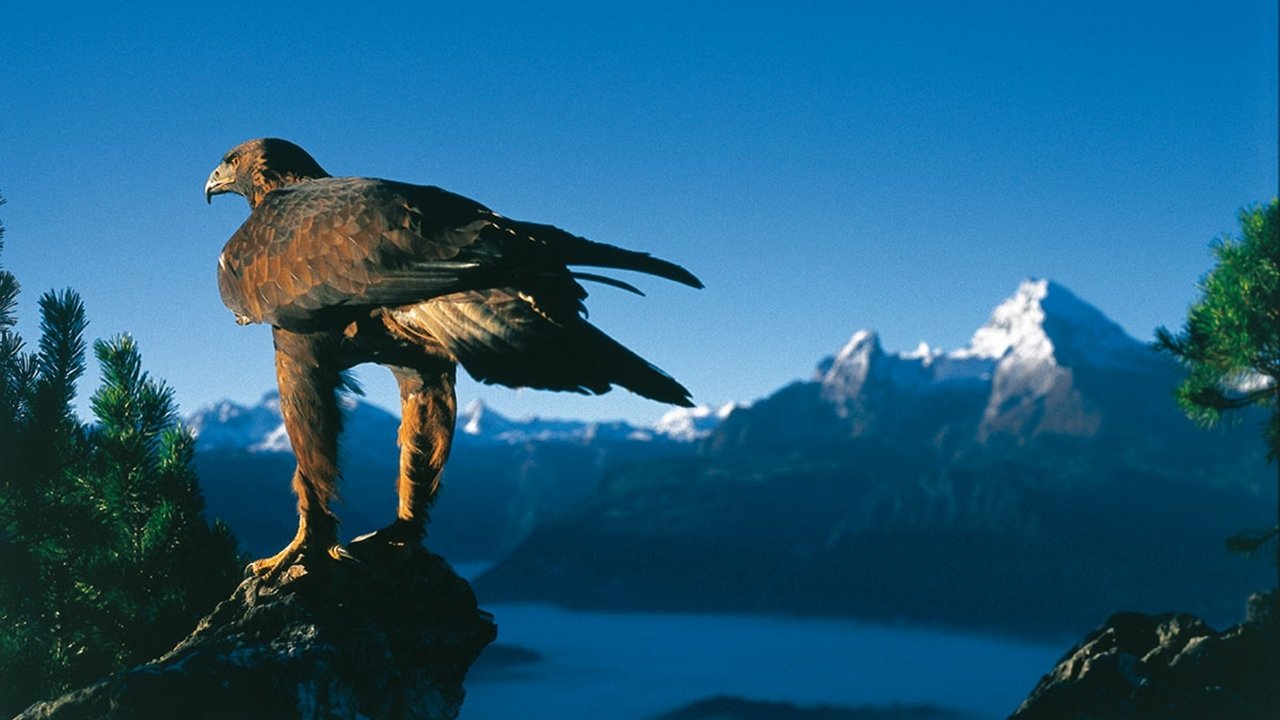
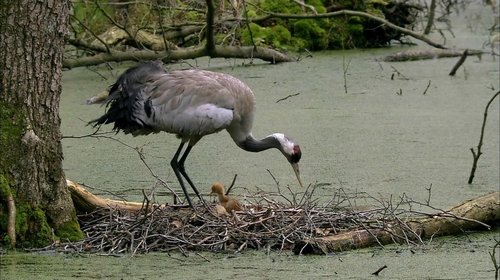
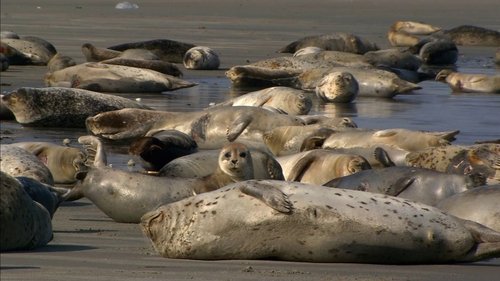
The fairytale river landscape of the Spreewald, the flocks of birds of the North Frisian Wadden Sea and the striking chalk cliffs on the island of Rügen. You can see unique landscapes and their fauna in the different regions of Germany.

The documentary tells of this unusual habitat, which is heavily influenced by humans and yet is close to nature. The village of Lehde, which is crossed by numerous ditches, hidden under shady trees and full of picturesque corners, is considered to be the most attractive Spreewald idyll. There are a few courtyards in this water labyrinth, many of which can only be reached by boat today. When winter arrives, ice connects the islands in the Spreewald. The canals and waterways become comfortable walking and driving routes for days or weeks - anyone who has ever laboriously loaded or unloaded a boat appreciates the help of winter. And it is an unforgettable experience to experience the extraordinary river landscapes of the Spreewald on ice skates or toboggans. Christoph Hauschild sensitively stages the unique river landscape of the Spreewald.
Aired: 4/18/2011
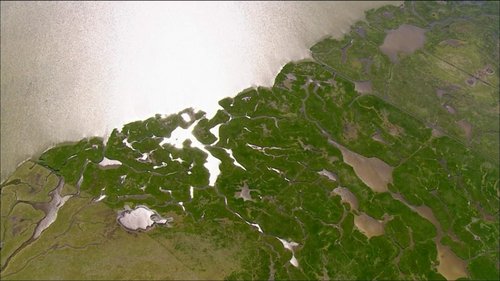
The water comes and goes twice a day on the coast of North Friesland in the far north of Germany. At low tide it exposes the Wadden Sea. This is 40 kilometers wide in places and is home to ten times more animals than other seabeds. Countless small animals - shrimp, sand crabs and cockles - in turn attract large flocks of birds. The Schleswig-Holstein Wadden Sea is part of the largest national park in Germany and has been part of the UNESCO World Heritage since 2009. The Halligen are unique in the world. There are ten of them, all located in the North Frisian Wadden Sea, often only accessible by lorry or ship. Unlike islands, Halligen are flooded several times a year and are still inhabited. The North Frisians built their settlements here on so-called mounds. These are hills that lie above the water surface even during storm surges. Life on the Halligen is more leisurely than on the mainland.