NodWatch

A personal movie and TV streaming app built for educational purposes. Powered by TMDB API.

Privacy PolicyTerms of ServiceCookie PolicyReport Issue

© 2026 NodWatch. All rights reserved.

How the Earth Was Made

How the Earth Was Made

★ 6.9•2009•2 Seasons•ANIME
Documentary

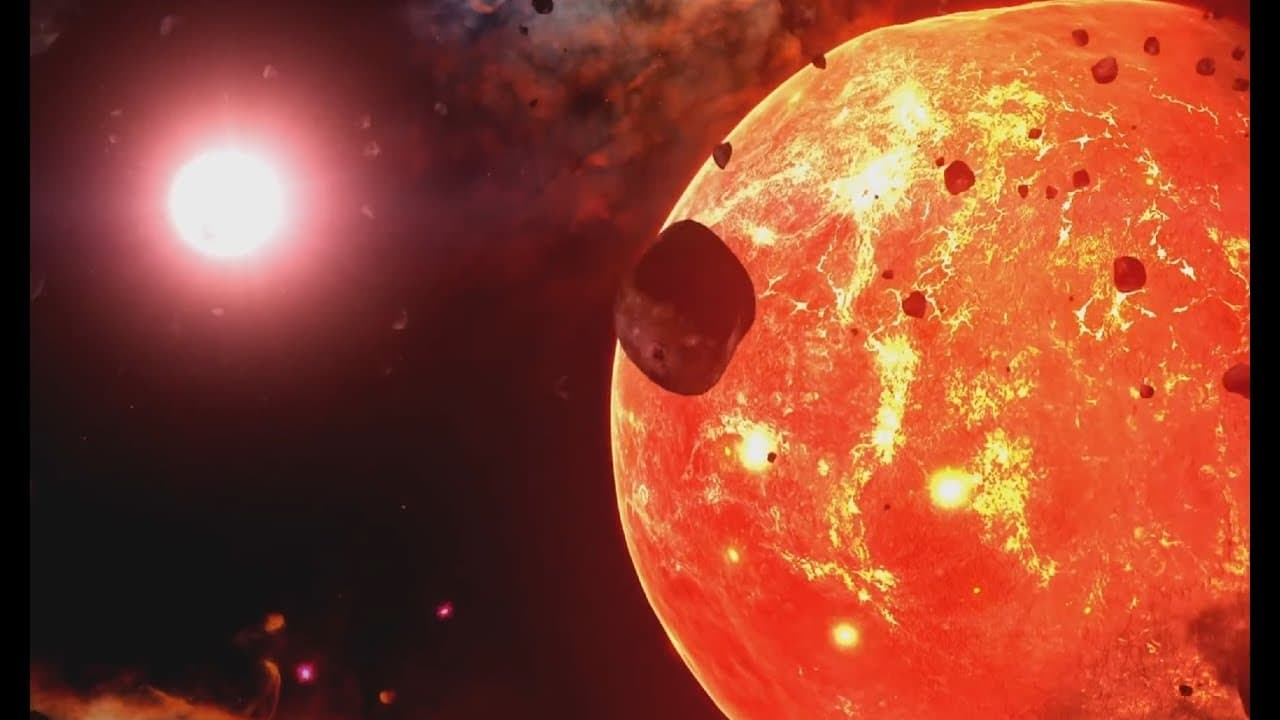
HISTORY goes to the ends of the earth to find where our world began. Forged from fire and ice, formed by floods, volcanoes, asteroids and earthquakes, our planet tells a dynamic geological story. What are mega-tsunamis? What happens when you have millions of years of rain? Visual effects, location filming and stunning aerial photography bring viewers back 4.5 billion years to enjoy a unique window on our world. How the Earth Was Made peels back time like layers of rock to reveal the origins of the place we call home.

Advertisement

Top Cast

Corey Johnson

Corey Johnson

Self - Narrator (voice)
Episodes

San Andreas Fault

1. San Andreas Fault

45m

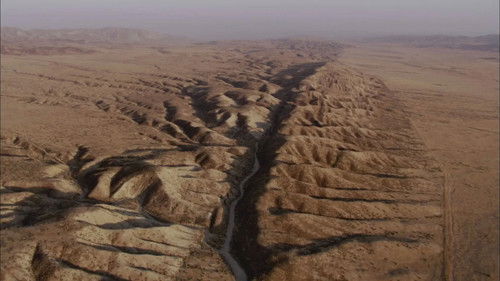
The San Andreas Fault runs roughly 800 miles through some of the most valuable real estate in the world. The southern section hasn't had a significant quake for over 300 years and is now primed and ready for another "big one." This new series takes a trip along the most famous fault line in the world and examine the geology that gives it its immense destructive power. It's an investigation given new urgency by recent warnings from 300 of America's leading scientists about the death and devastation that a major earthquake on the fault could unleash on Los Angeles.

Aired: 2/10/2009
The Deepest Place on Earth

Recommended Anime

Prehistoric Planet
★ 8.32022

Prehistoric Planet

Our Universe
★ 7.82022

Our Universe

Human Planet
★ 8.32011

Human Planet

Life on Our Planet
★ 8.02023

Life on Our Planet

Natural World
★ 7.41983

Natural World

One Strange Rock
★ 7.72018

One Strange Rock

Life on Earth
★ 9.11979

Life on Earth

Planet Earth II
★ 8.62016

Planet Earth II

Welcome to Earth
★ 7.62021

Welcome to Earth

American Experience
★ 6.51988

American Experience

Great Migrations
★ 7.72010

Great Migrations

Advertisement
Seven Worlds, One Planet
★ 8.52019

Seven Worlds, One Planet

Our Planet
★ 8.52019

Our Planet

The Dinosaurs
★ 8.02026

The Dinosaurs

How Do They Do It?
★ 7.62006

How Do They Do It?

Nature
★ 7.91982

Nature

Wonders of the Solar System
★ 8.12010

Wonders of the Solar System

Earth at Night in Colour
★ 8.12020

Earth at Night in Colour

Night on Earth
★ 7.42020

Night on Earth

Galapagos
★ 7.52006

Galapagos

Similar Anime

Cities: Nature's New Wild
★ 8.22018

Cities: Nature's New Wild

Final Chance to Save
★ NR2005

Final Chance to Save

Eyewitness
★ 7.01995

Eyewitness

Earth Moods
★ 8.02021

Earth Moods

Planet Earth
★ 8.62006

Planet Earth

Darwin's Dangerous Idea
★ 8.02009

Darwin's Dangerous Idea

Seven Worlds, One Planet
★ 8.52019

Seven Worlds, One Planet

Kingdom of Plants
★ 7.62012

Kingdom of Plants

How to Grow a Planet
★ 8.42012

How to Grow a Planet

Baboons with Bill Bailey
★ NR2011

Baboons with Bill Bailey

David Attenborough's Rise of Animals: Triumph of the Vertebrates
★ 8.12013

David Attenborough's Rise of Animals: Triumph of the Vertebrates

Advertisement
Lost Land of the Volcano
★ 7.52009

Lost Land of the Volcano

Human Planet
★ 8.32011

Human Planet

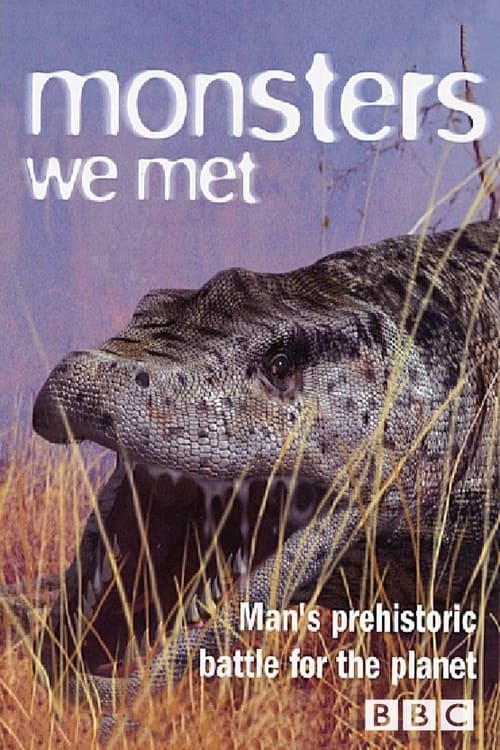
Monsters We Met
★ 6.42003

Monsters We Met

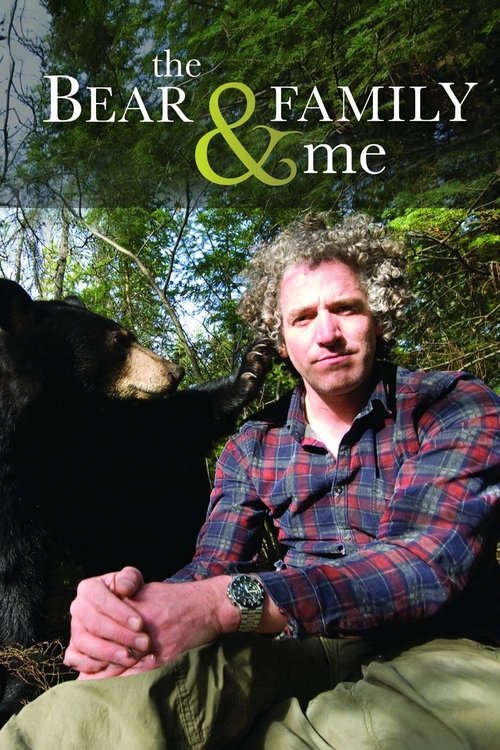
The Bear Family and Me
★ 7.32011

The Bear Family and Me

Dark Side of the 90's
★ 7.12021

Dark Side of the 90's

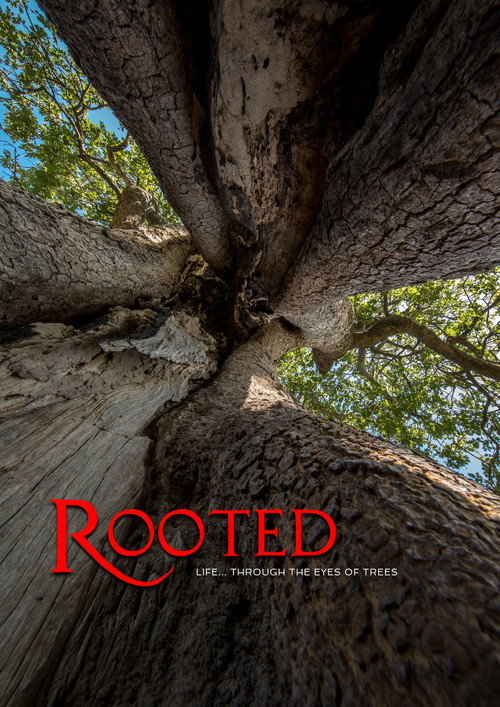
Rooted
★ 9.32018

Rooted

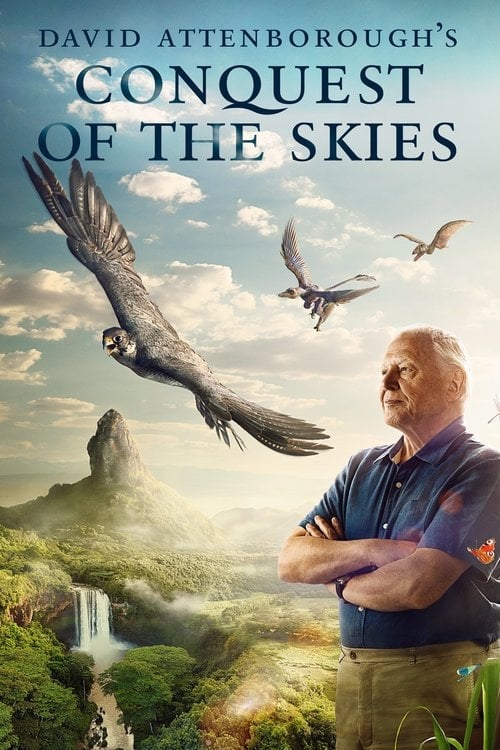
David Attenborough's Conquest of the Skies
★ 8.42015

David Attenborough's Conquest of the Skies

The Living Planet
★ 8.51984

The Living Planet

Blue Planet II
★ 8.62017

Blue Planet II

Advertisement

Reviews (0)

Advertisement

2. The Deepest Place on Earth

45m

The Marianas Trench is the deepest place on earth, deeper than Mt. Everest is high. The trench is where the ocean floor disappears into the center of the earth. The pressures at this depth are 17 times greater than what it takes to crush a nuclear submarine. Only two men have ever been down the Trench, fewer than have set foot on the moon. Follow the daring missions into the abyss and explore the extraordinary geology that has created this deep scar along the ocean floor

Aired: 2/17/2009
Krakatoa

3. Krakatoa

45m

On August 27th, 1883 a series of blasts on the island of Krakatoa culminated in a colossal explosion that blew the island apart in one of the largest eruptions in recorded history. We explore the underground forces that led to this extraordinary explosion that killed over 36,000 people and the devastation that it caused. But this is not just history because Anak Krakatoa (the Son of Krakatoa) is growing bigger and bigger and will blow again

Aired: 2/24/2009
Loch Ness

4. Loch Ness

45m

Home to the legend of the Loch Ness Monster, this lake holds more water than any other lake in Britain. It's only 10,000 years old, but billions of years in the making. Trace the extraordinary story of Loch Ness: from the three billion year old bedrock of Northern Scotland, to the giant glaciers that carved out the Loch. On this incredible journey we reveal that Loch Ness was once part of America, giant dinosaurs, suspiciously similar to the fabled monster once roamed the area, and that the entire region was engulfed by huge volcanic eruptions as Scotland was ripped from its birth place on the American continent. Could the mythical Loch Ness monster be a descendant of the dinosaurs, somehow surviving in the murky waters of the loch

Aired: 3/3/2009
New York

5. New York

45m

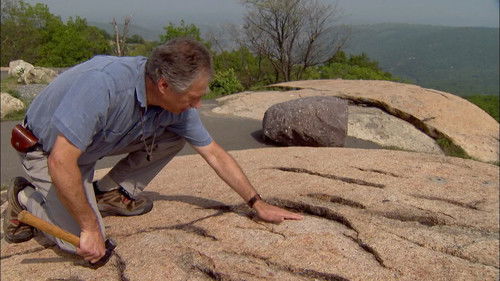
It is one of the most man-made spaces on the planet, but everything in New York from the height of the skyscrapers to the way the subway was constructed to the position of the harbor is governed by the extraordinary forces that ultimately shaped this city. You can tell the geology of Manhattan at a glance by looking at the skyline. The skyscrapers of Midtown and Downtown are built on hard granite; the low-rise buildings in between are built on a soft, gravelly soil left over from the Ice Age. Learn how New Jersey and North Africa were neighbors 250 million years ago, how the rocks New York are built on are the remains of mountains that 450 million years ago were as tall as the Himalayas, and how Long Island is covered in rubble that remained as ice sheets retreated 10,000 years ago.

Aired: 3/10/2009
Driest Place on Earth

6. Driest Place on Earth

45m

The Atacama desert is considered the driest place on Earth. Since human records of the area began, some places have never received rain. But the records don't stop there--the Atacama is also the oldest desert in the world, and recently it has been dated to an amazing 150 million years old. Other research shows that the surface of this desert is also incredibly ancient, with boulders lying there that have not moved for over 23 million years--more than 50 times longer than it's taken for our human species to evolve. The soil is so dry, it has been used as a test bed for the Mars rovers. And though the desert was once thought to be completely lifeless, strange bacteria discovered there have given scientists new hope that they might find life on the red planet. Atacama is also home to the largest copper mine in the world. Inspect the riddle of the Atacama and uncover how this extraordinarily dry landscape was created.

Aired: 3/17/2009
Great Lakes

7. Great Lakes

45m

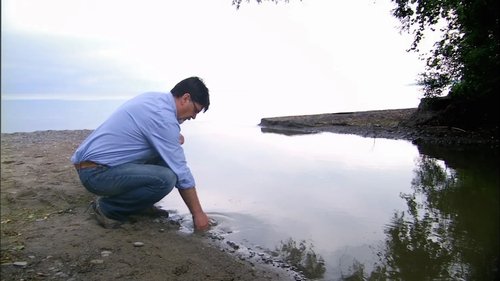
Scientists seek clues to the formation of North America's Great Lakes, the largest expanse of fresh water on the planet; delving into an underground salt mine; investigating a fossilized coral reef; diving to the bottom of Lake Superior.

Aired: 3/24/2009
Yellowstone

8. Yellowstone

45m

Geologists evaluate Yellowstone National Park, one of the most dangerous geological features on Earth; the park is hit by 500 earthquakes in early 2009, raising concerns a super-volcano is beginning to stir.

Aired: 3/31/2009
Tsunami

9. Tsunami

45m

Tsunamis are one of the most terrifying forces of nature, destroying all in their path. The December 26th Tsunami is estimated to have released the energy of 23,000 Hiroshima-type atomic bombs. What are the enormous forces that generate these catastrophic waves deep on the ocean floor? With 50% of the world's population living within a mile of the sea, this episode looks at what could happen in the future. East coast cities from New York to Miami face the threat of a truly colossal wave that could be generated by the collapse of an active volcano off the coast of Africa.

Aired: 4/7/2009
Asteroids

10. Asteroids

45m

Asteroids might provide clues about the formation of early Earth; detective work uncovers that a big nickel deposit in Canada, vast oil reserves in the Gulf of Mexico and a gold mine in South Africa all resulted from asteroid impacts.

Aired: 4/21/2009
Iceland

11. Iceland

45m

It is the largest and most fearsome volcanic island on the planet. We'll scour the island for clues, to address the mystery of what powerful forces are ripping Iceland apart and lighting its fiery volcanoes. Here, lava rips huge tears in the ground and new islands are born from the waves. Yet despite the active volcanoes, Iceland historically has been covered in and carved by ice. Fire and ice collide, locked in a titanic battle, as glaciers explode and cataclysmic floods decimate the landscape. But Iceland's volcanoes have had ramifications far beyond the shores of Iceland, causing climatic chaos and devastation across the planet; a fate which may one day happen again.

Aired: 4/28/2009
Hawaii

12. Hawaii

45m

The Hawaiian Islands are the most remote island chain on the planet. Emerging in the center of the Pacific, their origins have remained a puzzle for generations. Follow the story of the attempts to try and understand these beautiful, yet violent islands. It is a story of raging volcanoes, vast landslides, mega-tsunamis and strange forces emerging from the bowels of the planet. It reveals that Hawaii's Big Island is over 25 times bigger than Mt. Everest, that the entire Island chain is disappearing faster than any other land mass on Earth, and that volcanoes here might hold essential clues as to the inner workings of our planet.

Aired: 5/5/2009
The Alps

13. The Alps

45m

The jagged backbone of Europe, spanning seven countries and providing essential water to millions, the Alps are Europe's most important landmark. But how did marine fossils get here, seven thousand feet above sea level?

Aired: 5/12/2009