NodWatch

A personal movie and TV streaming app built for educational purposes. Powered by TMDB API.

Privacy PolicyTerms of ServiceCookie PolicyReport Issue

© 2026 NodWatch. All rights reserved.

No Poster

Virus

★ 0.0•1960•1 Seasons•ANIME
DocumentaryTalk

From KQED in San Francisco and the Virus Laboratory of the University of California, Berkeley, comes a distinguished series of eight half-hour programs on the nature of the virus. Prepared using a National Science Foundation grant, the series is designed to explain to the viewer some of the basic facts about viruses, those structures so essential to life and health, facts which for the most part have only been discovered in the past twenty-five years. Drawing on advanced scientific techniques such as microcinematography, electron microscopy and freeze drying, as well as on animation, large-scale models and drawings, the programs combine lectures with demonstrations to give the viewer an extremely vivid picture of this complicated topic. Particularly emphasized are facts about the virus' relation to bacterial disease, to polio, and to cancer, and new information about viruses which may not yet be generally known to students of biology or to the non-scientific public.

Advertisement

Top Cast

R

Robley C. William

Self – Narrator

W

Wendell M. Stanley

Episodes

No Preview

1. Between the Living and Non-living

29m

Shows how various viruses fit between the largest non-living molecule and the smallest unit of life. Uses models to explain the organization of various kinds of molecules and viruses. Reviews the first experiment in which a virus was isolated, purified, and crystallized. Concludes with a discussion on the importance of viruses in the understanding of all living matter.

Aired: 1/1/1960
No Preview

2. Giant Molecules

29m

Recommended Anime

History 101
★ 7.12020

History 101

Natural World
★ 7.41983

Natural World

Nature
★ 7.91982

Nature

WWE 24
★ 6.82015

WWE 24

Welcome to Wrexham
★ 7.82022

Welcome to Wrexham

NOVA
★ 7.01974

NOVA

Our Universe
★ 7.82022

Our Universe

The New York Times Presents
★ 7.22020

The New York Times Presents

Earth at Night in Colour
★ 8.12020

Earth at Night in Colour

Planet Earth II
★ 8.62016

Planet Earth II

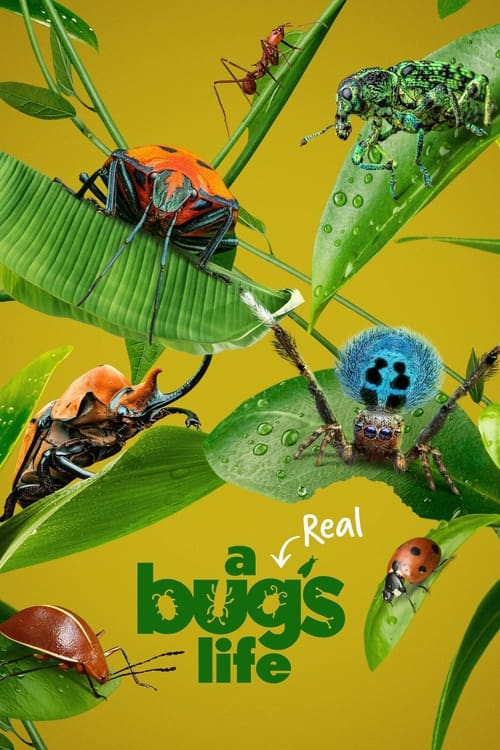
A Real Bug's Life
★ 7.32024

A Real Bug's Life

Advertisement
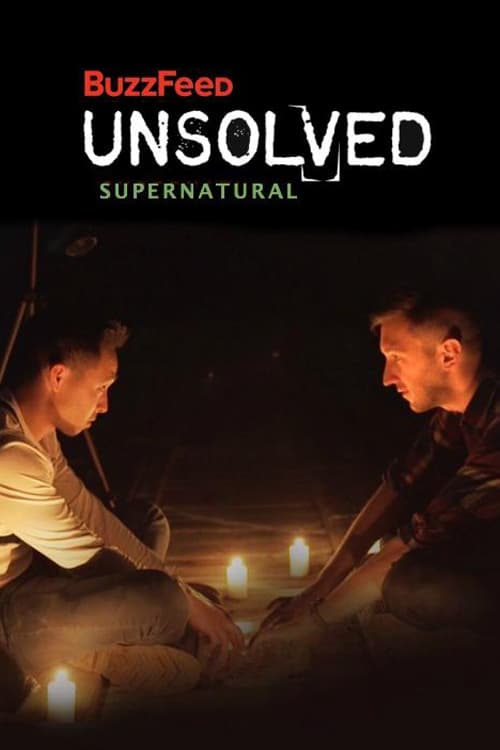
Buzzfeed Unsolved: Supernatural
★ 8.52016

Buzzfeed Unsolved: Supernatural

The Crocodile Hunter
★ 7.61997

The Crocodile Hunter

Great Migrations
★ 7.72010

Great Migrations

Biography
★ 6.71987

Biography

Our Planet
★ 8.52019

Our Planet

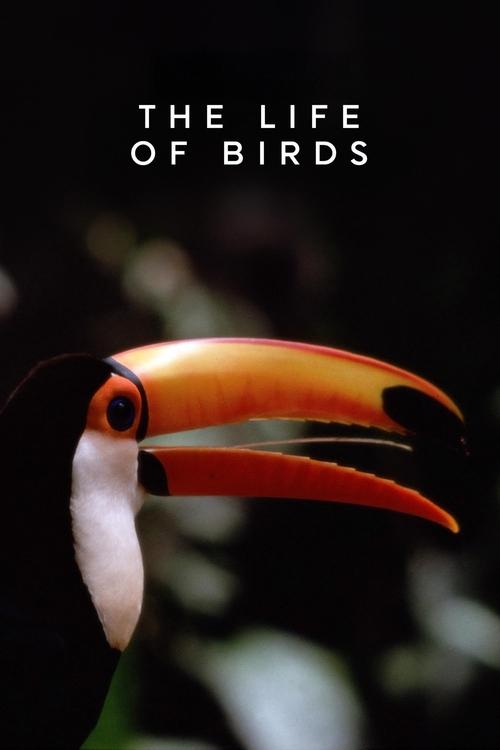
The Life of Birds
★ 8.11998

The Life of Birds

Top Gear
★ 7.91978

Top Gear

Mind Field
★ 8.22017

Mind Field

The Dick Cavett Show
★ 6.81968

The Dick Cavett Show

Similar Anime

How to Change Your Mind
★ 7.82022

How to Change Your Mind

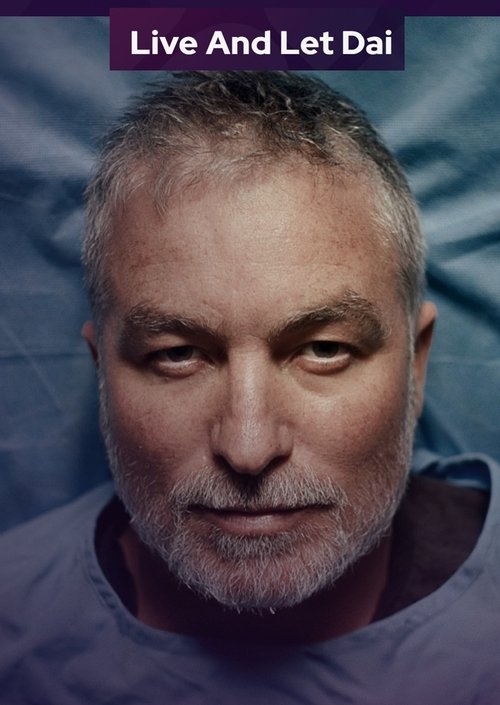
Live and Let Dai
★ NR2024

Live and Let Dai

The Mind, Explained
★ 7.52019

The Mind, Explained

Pandemic: How to Prevent an Outbreak
★ 6.92020

Pandemic: How to Prevent an Outbreak

Akutstation Psychiatrie
★ 7.82024

Akutstation Psychiatrie

Die Unfallklinik
★ 8.02023

Die Unfallklinik

Body Bizarre
★ NR2013

Body Bizarre

Balance: A Perimenopause Journey
★ 10.02026

Balance: A Perimenopause Journey

The Viral Delusion
★ NR2022

The Viral Delusion

Coronavirus, Explained
★ 6.92020

Coronavirus, Explained

★ NR2004

Bridging World History

Advertisement
The Principles of Pleasure
★ 6.52022

The Principles of Pleasure

Critical: Between Life and Death
★ 6.92025

Critical: Between Life and Death

112 – Notruf Nord
★ 7.02025

112 – Notruf Nord

★ NR2016

Scienza Brutta

★ NR2010

Rare Anatomy

Autiste, le commencement
★ NR2024

Autiste, le commencement

Dopede drømmekroppe
★ NR2024

Dopede drømmekroppe

Doctor Detective
★ 10.02023

Doctor Detective

Medical Investigation
★ 6.82004

Medical Investigation

Advertisement

Reviews (0)

Advertisement

Presents an analysis of the structure of viruses and how they are studied. Shows and explains how an electron microscope works. Uses film clips of experiments to demonstrate the cultivation, isolation, and purification of viruses. Concludes with a discussion of the differences between viruses.

Aired: 1/8/1960
No Preview

3. The Stuff of Life

29m

Dr. C. Arthur Knight, featured on this program, introduces his topic with a brief description of properties which characterize living things, and then explains to what degree viruses do or do not have these properties. What is significant, he points out, is that viruses are like other living things to the extent that they are capable of reproducing themselves. Because viruses have a chemical content, similar to that of chromosomes — the cells which determine heredity — and because they can be more easily isolated and fragmented than chromosomes, they are a source of much information for scientists who study life's creation and formation. In addition to his general points, Dr. Knight shows, through a remarkable series of micro-motion pictures, how mutations within viruses can be formed and identified.

Aired: 1/15/1960
No Preview

4. Viral Genes

29m

Presents an analysis of bacteriophages and how they may change. Explains why bacterial viruses are useful to scientists studying different life forms. Uses diagrams and animation to show how bacteria reproduce within a cell and how mutations of these viruses can be identified. Describes the "copy errors" responsible for mutation, and the ways in which cross-breeding among viruses takes place.

Aired: 1/22/1960
No Preview

5. How Viruses Kill

29m

Explains how a virus destroys cells. Uses animated films and microcinematography to show how a virus enters a cell, stops its normal functions, and reproduces more viruses. Tells how the new viruses are made and describes their method of escape to infect other cells. Concludes with a discussion of possible methods of controlling viral diseases.

Aired: 1/29/1960
No Preview

6. Threads of Life

29m

Presents an analysis of nucleic acid. Uses a large model of the tobacco mosaic virus to explain its structure. Demonstrates how a virus can be reconstituted from nucleic acid and protein molecules. Discusses the recent discovery of the alteration of nucleic acid to form mutations of the original virus. Concludes with a theory which may account for the way in which genetic information is stored in nucleic acid and then translated into a specific protein structure.

Aired: 2/5/1960
No Preview

7. Killers and Carcinogens

29m

Discuses virus diseases. Reviews the known viral diseases and the development of vaccination. Explains how a polio virus attacks a cell. Analyzes the activity of viruses, which cause cancer in animal cells. Demonstrates how virus cultures can be grown and used for inoculation. Concludes by discussing cures for viral diseases.

Aired: 2/12/1960
No Preview

8. Cancer

29m

Discusses the relationship between viruses and cancer. Explains how viruses can cause cancers in animals and why it is believed they may be responsible for cancer in humans. Concludes by summarizing the important known facts about viruses. Indicates directions which future research in virology might take.

Aired: 2/19/1960